A neighbor gets solar installed. Two months later they're bragging about a $14 electric bill. You pull out your phone, search "solar panel cost," and immediately get 47 different answers. Frustrating. Here's the actual number: a typical US home will spend $15,000–$25,000 for a fully installed solar system in 2026 — and after the 30% federal tax credit, that drops to $10,500–$17,500.
That's the honest answer. Everything below explains why your number might be higher or lower, and how to make sure you're not overpaying.
- Average installed cost: $2.50–$3.50 per watt; $15,000–$25,000 for a 6–10kW system
- Federal ITC: 30% tax credit through 2032 cuts your bill by $4,500–$7,500
- Cost breakdown: Panels ~30%, inverters ~10%, labor ~35%, permits/misc ~25%
- Payback period: 6–10 years for most homeowners; 25-year system lifespan
- Financing: Cash beats loans beats leases — but all three beat doing nothing
What a Solar System Actually Costs in 2026
The go-to metric in the industry is cost per watt ($/W). Right now, fully installed residential solar runs $2.50–$3.50/W. The spread exists because labor markets, roof complexity, and installer markup vary wildly by ZIP code.
Most US homes need a 6kW–10kW system to offset 80–100% of their electricity use. Do the math:
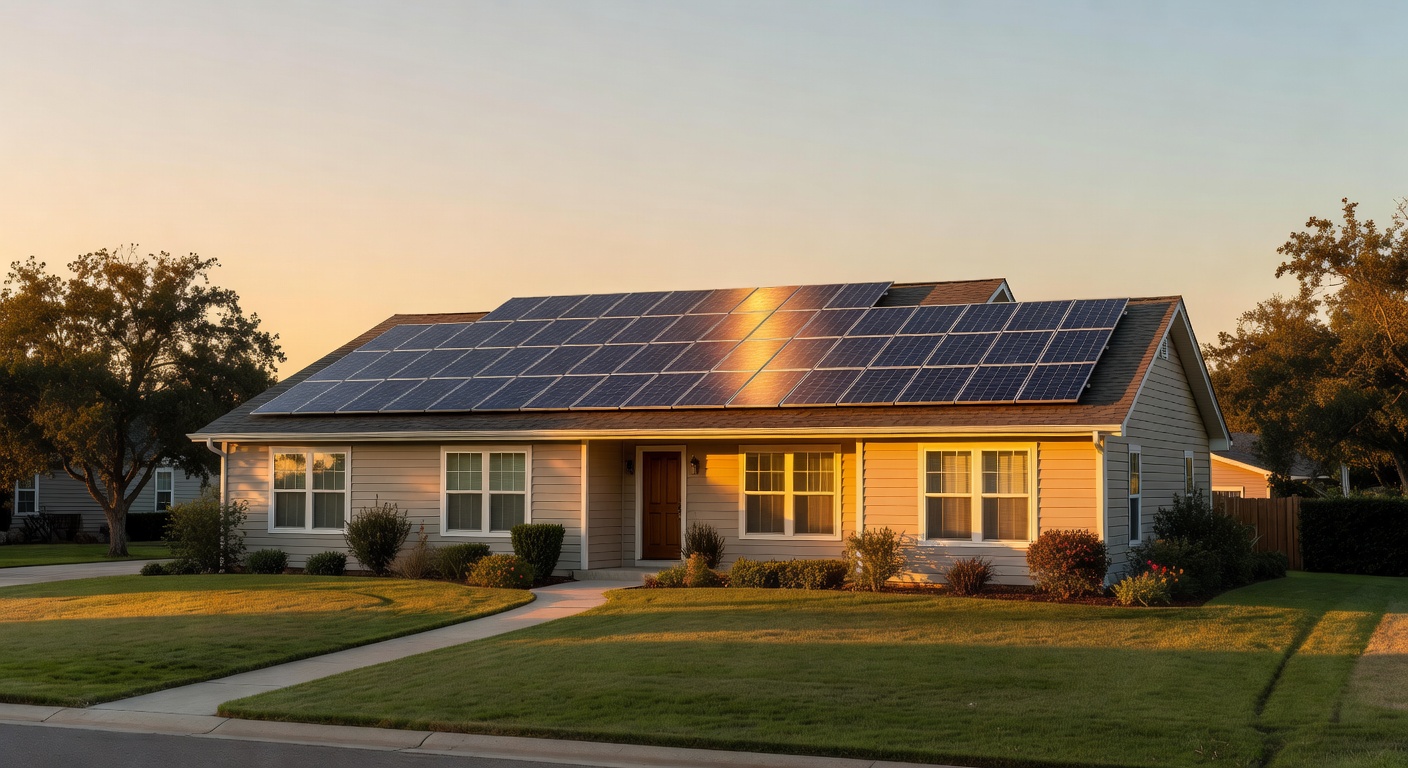
Prices have been dropping roughly 2–5% per year, and 2026 is continuing that trend. Panel hardware itself is cheaper than ever — Chinese manufacturers have flooded the market with budget modules. What you're really paying for is installation labor and the soft costs (permits, inspections, interconnection fees), which haven't budged much.
Want a number specific to your home and energy bill? The TrySolar cost simulator gives you a personalized estimate in under two minutes — no sales call required.
Where Your Money Actually Goes
Here's a breakdown installers don't always spell out upfront:
| Component | % of Total Cost | Typical Range (10kW) |
|---|---|---|
| Solar panels | 28–32% | $6,000–$8,000 |
| Inverter(s) | 8–12% | $1,500–$3,000 |
| Labor / Installation | 30–38% | $6,000–$9,000 |
| Permits & Inspections | 8–12% | $1,500–$3,000 |
| Wiring, racking, misc. | 10–15% | $2,000–$3,500 |
Labor is almost always the biggest surprise. Electricians and certified installers aren't cheap, especially in California, New York, and the Northeast. And "soft costs" — permits, utility interconnection fees, the installer's overhead — add up fast. This is why buying the cheapest panels doesn't save you as much as you'd hope; panels are less than a third of the bill.
The 5 Factors That Move Your Price the Most
1. System size. Bigger systems cost more in absolute terms but often less per watt due to economies of scale.
2. Roof type and condition. Flat roofs, tile roofs, and metal roofs all require specialized mounting — expect a $500–$2,000 premium over standard asphalt shingles. And if your roof needs replacing first? Do it before installing solar.
3. Location. California installers charge premium labor rates. Rural Midwest installers are often 20–30% cheaper. Our cost-per-watt breakdown covers regional price differences in detail.
4. Panel brand. Premium brands like SunPower and Maxeon cost more but offer higher efficiency and better warranties. Budget panels from Jinko or Canadian Solar cost less and still work fine for most homes. Honestly, brand matters less than installation quality.
5. Inverter type. String inverters are cheapest. Microinverters (like Enphase) add $1,000–$2,500 but improve performance on shaded roofs and offer panel-level monitoring.
"We see this constantly: homeowners obsess over panel brand and miss the fact that their installer's labor rate is $2/watt above the market average. That difference costs more than upgrading from budget to premium panels."
How Tax Credits Actually Slash Your Bill
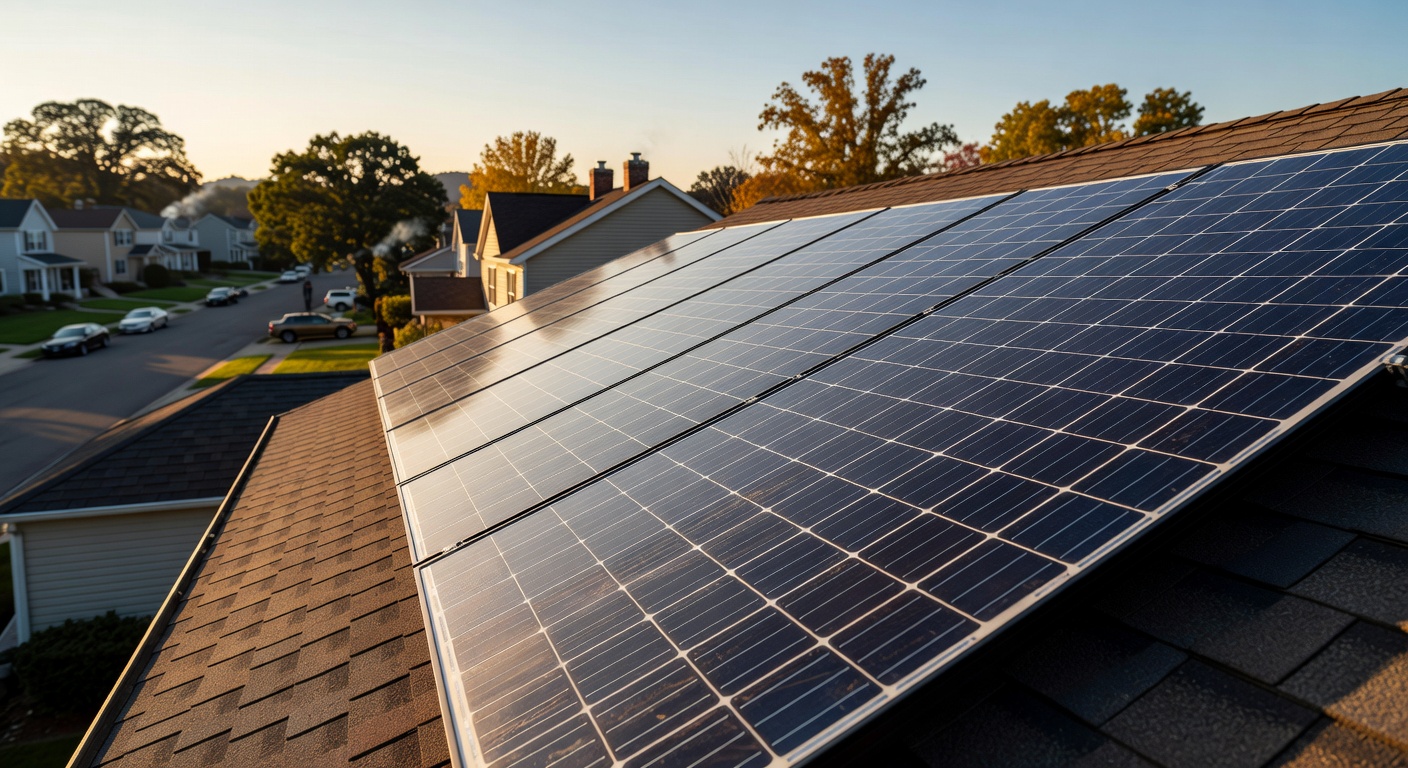
The federal Investment Tax Credit (ITC) is the most powerful incentive in solar — and it's locked in at 30% through 2032. This isn't a rebate; it's a dollar-for-dollar reduction in your federal income tax bill. On a $20,000 system, that's $6,000 back.
But state-level programs can stack on top of that. Here's a quick look at the top five states for solar incentives in 2026:
Net metering (NEM 3.0), SELF program grants for low-income, SGIP battery rebates
25% state tax credit (up to $5,000), NY-Sun incentive program
Property tax exemption on solar value added, strong net metering from co-ops
15% state credit (up to $1,000), SMART program pays for every kWh generated
Sales tax exemption on solar equipment, property tax exemption, net metering
Take Marcus, a homeowner in Austin, Texas. His 8kW system cost $22,400. After the 30% federal ITC ($6,720) and a property tax exemption worth roughly $1,200 over five years, his effective out-of-pocket dropped to around $14,500. His annual electricity savings run $1,800. He'll be in the black in about eight years — and collecting free electricity for 17 more after that.
The 30% ITC applies to battery storage added at the same time as your solar installation — even if you add a Tesla Powerwall or similar battery. A $10,000 battery addition saves you an extra $3,000 in federal taxes.
Cash, Loan, Lease — Which One Actually Makes Sense
This is where most people get tripped up. There's no universally right answer, but there's a clear hierarchy depending on your situation.
Best long-term ROI. You own the system, claim the full ITC, and have zero debt. If you have the capital, do this.
You own the system, claim the ITC, and spread payments over 10–25 years. Net savings still positive in most markets.
You don't own the system, don't claim the ITC, and savings are smaller. Fine for zero-upfront situations, but read the escalation clauses.
Leases and PPAs get a bad reputation, and honestly, sometimes it's deserved. The installer owns the panels, claims the tax credit, and sells you power at a discounted rate. Your savings exist — just smaller than ownership. And some lease agreements have 2–3% annual escalation clauses that erode those savings over time.
Your Payback Period — and Why It's Not the Whole Story
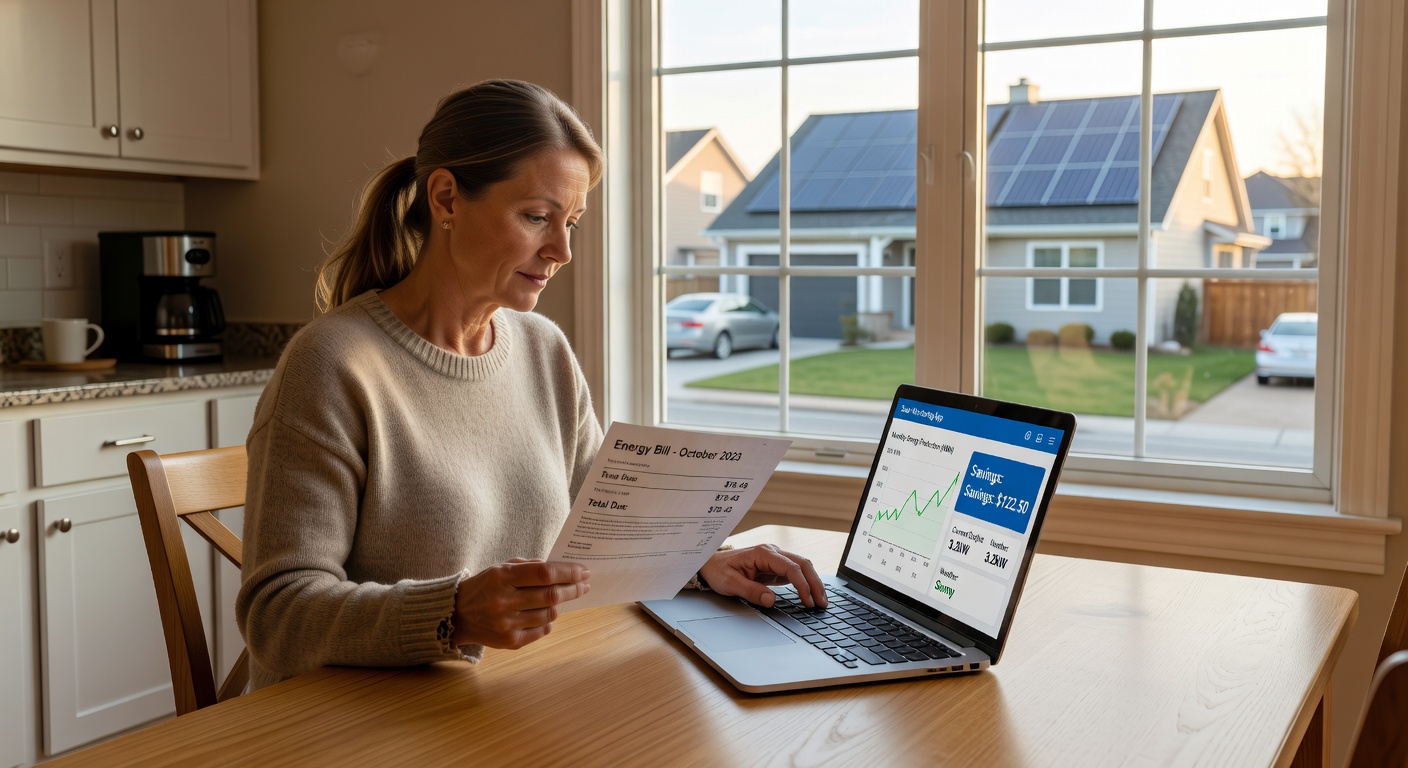
Most US homeowners see full payback in 6–10 years. High-electricity-rate states like California, Massachusetts, and Hawaii skew toward 5–7 years. Low-rate states like Louisiana or Wyoming might push to 10–12 years.
But payback period alone undersells solar. A 10-year payback on a 25-year system means 15 years of essentially free electricity. On a $20,000 system saving $1,800/year, that's $27,000 in savings after payback. The net lifetime value — even after maintenance — often exceeds $30,000 on a single installation.
Don't fixate only on payback period. The real question is: what's the 25-year return? For most US homeowners, solar is one of the best-yielding home investments available — often beating stock market index averages on an after-tax, risk-adjusted basis.
For a personalized ROI calculation using your actual energy bill and location, the TrySolar simulator runs the numbers in real time. No guesswork, no sales pressure.
Solar panels cost $15,000–$25,000 installed for a typical US home in 2026. The 30% federal ITC brings net cost to $10,500–$17,500. Most homeowners pay $2.50–$3.50 per watt, recover their investment in 6–10 years, and enjoy 15+ years of largely free electricity after that. Prices continue dropping ~3% annually, but waiting costs you in foregone savings. The math already works.
Frequently Asked Questions
Will solar panel prices keep dropping in 2026 and beyond?
Yes, but slowly. Panel hardware costs have already dropped ~90% since 2010, so the dramatic falls are behind us. Expect 2–5% annual declines going forward, driven mostly by manufacturing efficiency. Labor and soft costs aren't falling at the same rate, so total installed prices are moving slowly.
Can I claim the 30% tax credit if I don't owe that much in federal taxes?
Yes — the ITC rolls over. If your credit exceeds your tax liability in year one, the unused portion carries forward to the next year. You do need to own the system (not lease) and it must be your primary or secondary residence in the US.
How much does adding a battery (like a Powerwall) add to the cost?
A Tesla Powerwall 3 runs about $9,500–$12,000 installed. The good news: batteries added alongside solar qualify for the same 30% federal ITC, bringing the effective cost to $6,650–$8,400. Most homeowners add storage for backup power or time-of-use rate optimization.
Does roof condition affect solar installation cost?
Significantly. If your roof has less than 10 years of life left, installers will often recommend replacing it first — typically $8,000–$15,000 for an average home. Some installers offer bundled re-roof-and-solar packages. Get a roof inspection before going solar if your roof is over 15 years old.
Is solar worth it in states with low electricity rates?
It's worth modeling carefully. In states like Louisiana ($0.09/kWh) or Idaho ($0.10/kWh), payback periods stretch toward 10–12 years. Still positive lifetime ROI, but less compelling than California or Massachusetts. State incentives, net metering policies, and future rate increases all factor in — run your state through the simulator for a real answer.
The numbers are clear in 2026: solar is no longer a niche technology for early adopters. It's a mainstream home upgrade with a calculable return. Get your personalized estimate, stack every incentive available, and choose an installer with verifiable reviews — not just the lowest quote.
Enter your address and monthly bill — get a real cost estimate, payback timeline, and incentive breakdown. No email required.
Run My Solar Estimate →