Solar panels are worth it for most homeowners in 2026 — if your roof gets decent sun, you own your home, and your electricity bill is over $100/month, the math works in your favor. The 30% federal Investment Tax Credit is still live, average payback runs 6–10 years, and you'll save between $1,200 and $1,800 annually on electricity. The question isn't really if — it's how to do it without getting burned by a bad installer or an overpriced system.
- Solar pays back in 6–10 years — and saves $26,000+ over 25 years for the average US homeowner.
- The 30% federal ITC cuts a $20,000 system down to $14,000 out of pocket, and state rebates stack on top.
- Most homeowners go from quote to generating power in under 60 days.
- Best candidates: own their home, bill over $100/month, south or west-facing roof, staying 7+ years.
Is Solar Worth It for Homeowners in 2026?
Honestly, the economics have never been better. Panel costs have dropped roughly 90% over the past 15 years, the federal tax credit is still at 30% through at least 2032, and electricity rates keep climbing — which means your savings grow every year you stay grid-connected.
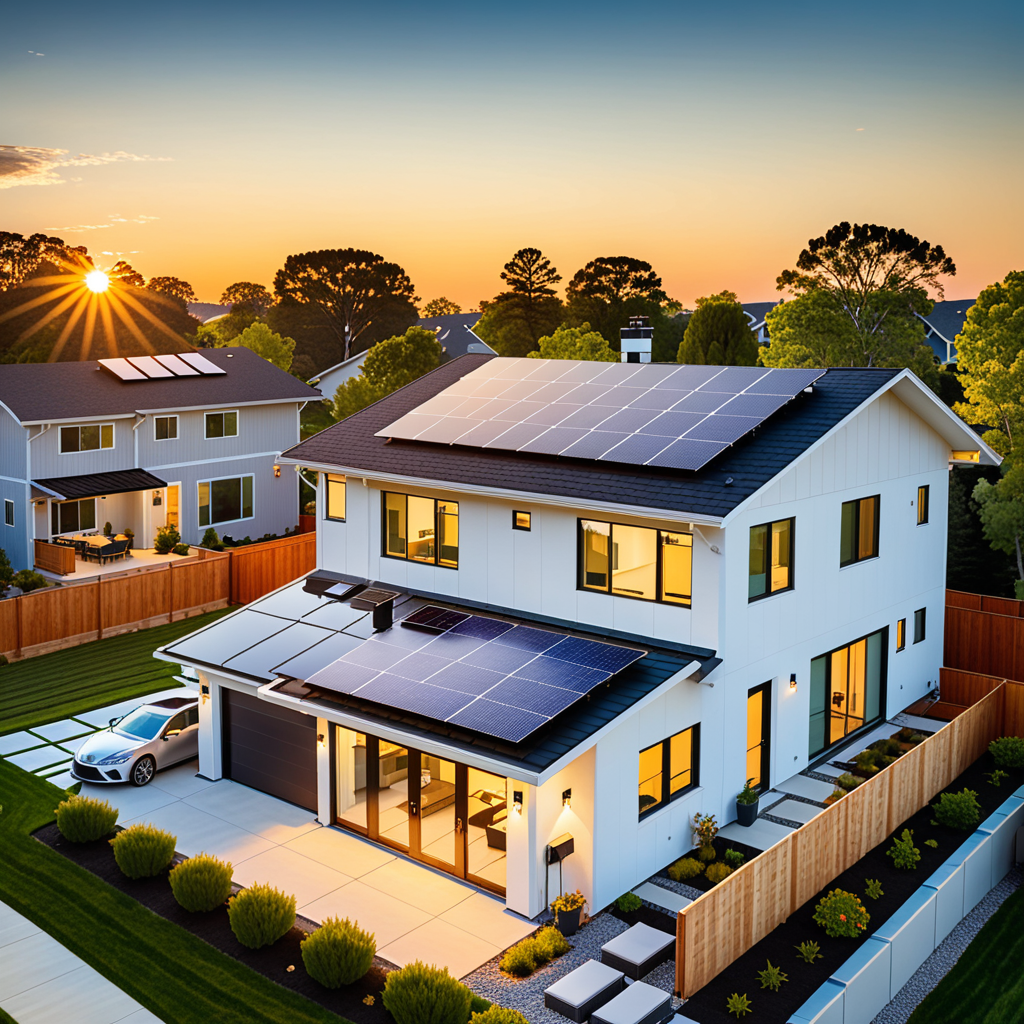
Take Marcus, a homeowner in Phoenix who was paying $220/month in electricity. After installing a 7kW system in early 2025, his bill dropped to under $30. His payback period? Just under 6 years — and he's locked in those savings for the next two decades.
If you're in a sunny-to-moderate climate, own your home, and plan to stay put, going solar in 2026 is one of the highest-returning home improvements you can make. It beats most stock portfolios on a risk-adjusted basis, and it adds to your home's resale value on top.
What Going Solar Actually Costs (and What You Get Back)
A typical residential solar installation in 2026 runs between $15,000 and $25,000 before incentives — depending on system size, roof complexity, and your installer's market. After the 30% federal ITC, that range drops to roughly $10,500–$17,500.
| Home Size | System Size | Cost Before ITC | Cost After 30% ITC | Est. Annual Savings |
|---|---|---|---|---|
| Small (1,200 sq ft) | 4–5 kW | $12,000–$15,000 | $8,400–$10,500 | $800–$1,100 |
| Mid (2,000 sq ft) | 7–8 kW | $17,000–$22,000 | $11,900–$15,400 | $1,200–$1,600 |
| Large (3,000+ sq ft) | 10–12 kW | $22,000–$28,000 | $15,400–$19,600 | $1,600–$2,200 |
Many states stack additional rebates and net metering credits on top of the federal ITC. California, New York, Massachusetts, and Texas all have state-level incentives that can reduce your net cost by another 10–20%. Always check your state's database of incentives before signing anything.
On financing: cash purchases give you the best lifetime ROI. Solar loans (3–7% APR typical) let you start saving immediately with $0 down, though interest eats into returns. Leases and PPAs reduce upfront cost to zero but you don't own the system or claim the tax credit — usually not worth it unless you can't qualify for a loan.
How to Go Solar: 5 Steps from Roof to Grid
The process isn't complicated — but skipping steps costs money. Here's exactly how it works.
Use a solar roof simulator to see how many panels fit your roof, how much energy they'd produce, and what your estimated savings look like. This gives you a baseline so installers can't inflate numbers — you walk into every quote knowing your own roof's potential.
Solar installer pricing varies by 20–40% for identical systems. Use the SEIA directory or EnergySage to find vetted local installers. Never accept the first offer — competition drops prices fast.
Compare proposals on system size (kW), production estimate (kWh/year), equipment brand, warranty, and price per watt. Confirm the installer handles your permit paperwork — most reputable ones do. Sign only when you've compared all three.
Permitting typically takes 2–6 weeks depending on your municipality. The physical installation itself usually takes just 1–2 days. Expect some waiting — the bureaucracy is the slowest part, not the panels.
Your installer submits interconnection paperwork to your utility. Once approved (usually 1–4 weeks post-install), your meter gets switched and you start generating. From contract signature to live system: typically 45–60 days.
"Most homeowners are generating clean energy within 60 days of signing a contract. The hardest part is picking up the phone to start."
Bottom Line: Should You Go Solar in 2026?
Go solar if you: own your home, pay over $100/month for electricity, have a south or west-facing roof with minimal shade, and plan to stay for at least 7 years. Most homeowners in that bucket save $20,000–$30,000 over the system's life, with a payback window of 6–10 years.
Hold off if you: have a heavily shaded roof, plan to sell within 3–4 years, or are renting. The math doesn't work, and no installer should pressure you otherwise.
Start with your roof. Before any sales call, see exactly what your home can generate — it takes two minutes and it puts you in control of every conversation that follows.
Frequently Asked Questions
How many solar panels does a typical home need?
Most US homes need between 17 and 25 panels, depending on energy consumption and your roof's sun exposure. A 2,000 sq ft home averaging $150/month in electricity typically needs a 7–8 kW system — roughly 18–22 panels at 400W each. Your solar simulator will give you a precise number based on your actual roof layout and local sun data.
Should I buy or finance solar?
Cash is king if you have it — you own the system outright, claim the full 30% tax credit immediately, and your lifetime savings are highest with no interest costs. A solar loan is the next best option: $0 down, you still own the system and keep the tax credit, and monthly loan payments are often less than your current electricity bill. Avoid leases and PPAs unless buying or financing truly isn't an option — you give up the tax credit and complicate any future home sale.
Does going solar increase my home's value?
Yes — consistently. Research from Lawrence Berkeley National Laboratory shows solar adds roughly 4% to a home's sale price — about $15,000 on a $375,000 home. The bump is strongest in markets where electricity rates are high, like California, Massachusetts, and New York. Owned systems add more value than leased ones, which is another reason to avoid PPAs.
What happens to my solar panels if I move?
If you own the system, you have two options: sell the home with panels included (and price it accordingly), or in rare cases, transfer the system to your new home if structurally feasible. Most homeowners sell with panels attached — buyers value it and appraisers increasingly know how to account for it. Avoid leases specifically because they complicate home sales; the new buyer must qualify to assume the lease.