Solar panels on a house cost between $8,000 and $25,000 to install in 2026, before incentives — depending on how much power your home needs and where you live. That's the honest answer up front. The range is wide because a 4kW system on a tidy suburban roof costs very differently than a 12kW setup on a large house with battery backup. Here's exactly what drives that number.
- Average installed cost: $2.50–$3.80 per watt in 2026
- Typical system size for a home: 6kW–10kW
- US federal tax credit: 30% off total system cost through 2032
- Payback period: 6–10 years for most homeowners
- Panel lifespan: 25+ years with less than 0.5% annual degradation
What Does It Cost to Put Solar Panels on a House in 2026?
The installed cost of solar panels sits at roughly $2.50–$3.80 per watt globally — a figure that's stayed relatively stable as panel prices fell but labor and permitting costs rose to offset them. For a 6kW system (the sweet spot for a mid-size home), that puts you at $15,000–$23,000 before any government incentives kick in.
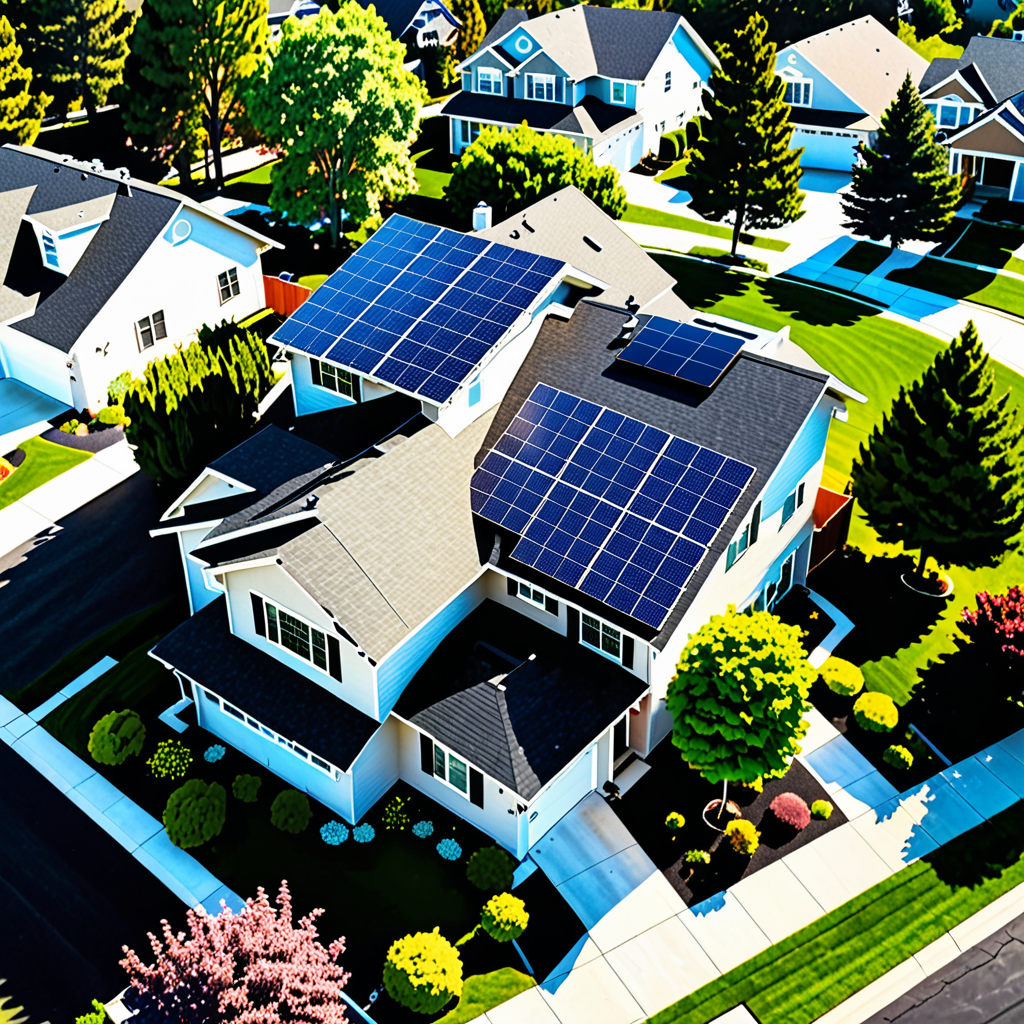
Costs vary by country — UK installs run roughly £6,000–£14,000, Australian systems around AUD $5,000–$15,000, and European prices sit somewhere between the US and UK range. But the per-watt logic holds everywhere. Here's what the total looks like by system size:
5 Factors That Change Your Solar Panel Installation Cost
Two houses on the same street can get quotes $8,000 apart. These are the five variables that explain almost every pricing difference.
-
1
Roof size and pitch — Larger roofs need more panels; steeper pitches require extra rigging and safety gear. A complex multi-angled roof can add $1,000–$3,000 to labor alone compared to a simple flat or low-pitch surface.
-
2
Panel type — Monocrystalline panels are more efficient and cost more per panel; polycrystalline are cheaper but need more roof space for the same output. Most installers default to mono in 2026 unless roof space is abundant.
-
3
Inverter type — String inverters are the budget option. Microinverters (one per panel) add $1,000–$3,000 but improve output on shaded or multi-angle roofs and make monitoring per-panel easy.
-
4
Labor and permitting — Installation labor runs $0.50–$1.00/W in most markets; permitting fees vary wildly by council and state. Some US counties charge $150, others $1,500+. Your installer handles this but it flows through to your quote.
-
5
Battery storage add-on — Adding a home battery (like the Tesla Powerwall or similar) tacks on $8,000–$15,000 to the system cost. It gives you grid independence and backup power but extends your payback window significantly.
Adding battery storage typically doubles the payback period — but it also means your lights stay on when the grid goes down, which some homeowners value beyond the math.
Incentives That Reduce the Upfront Cost
In the US, the federal solar Investment Tax Credit (ITC) cuts 30% off your total system cost — including installation — through 2032. On a $20,000 system, that's $6,000 back at tax time.
Government incentives make a material difference — often turning a marginal decision into an obvious yes. Here's the global picture:
- USA: 30% federal ITC through 2032; additional state-level credits in California, New York, Texas, and others
- UK: Smart Export Guarantee (SEG) pays you for excess power exported to the grid; VAT on solar dropped to 0%
- Australia: Small-scale Technology Certificates (STCs) deliver an upfront point-of-sale discount averaging AUD $2,500–$5,000 depending on location and system size
- Europe: National grants vary — Germany, Netherlands, and France all run subsidy programs; check your local energy authority for current rates
Honestly, the incentive landscape changes year to year. The best move is to run your numbers through a solar simulator with your actual address and electricity bill — that gives you the real after-incentive figure, not a rough guess. TrySolar's simulator does exactly that.
See your personalised solar savings estimate — including local incentives
Estimate Your Solar Savings →Is It Worth Installing Solar Panels on Your House?
Take James and Claire, a couple in Phoenix who installed a 7kW system in early 2024 for $19,500. After the 30% federal ITC, their net cost was $13,650. Their electricity bill dropped from $210/month to under $30. At that saving rate, they'll be in the black in just over 7 years — on a system that'll run for 25+. That's a typical outcome, not an outlier.
- Average payback period: 6–10 years
- Panel lifespan: 25+ years
- 70–90% reduction in electricity bills
- Adds 3–4% to home resale value
- Strong government incentives globally
- High upfront cost before incentives
- Old or structurally weak roofs need repair first
- Heavy shading kills performance
- Battery storage significantly extends payback
- Not worth it if you plan to move within 3 years
For most homeowners, solar panels pay for themselves within a decade and add measurable property value on top of the energy savings. The variables that matter most — your roof, your sun hours, your local incentives — are specific to you. Use a solar simulator to check if your roof qualifies and get a personalised estimate before committing to anything.
Frequently Asked Questions
How many solar panels does it take to power a house?
Most homes need 15–25 panels (a 6kW–10kW system) to cover 80–100% of their electricity use. Use our solar panel sizing calculator to get the exact number for your address and monthly consumption.
Do solar panels increase home value?
Yes. Studies consistently show solar panels add roughly 3–4% to home resale value on average. Homes with solar also tend to sell faster in most markets, particularly in sun-belt regions where buyers understand the long-term savings.
How long do solar panels last on a house?
Most solar panels carry a 25-year performance warranty and degrade less than 0.5% per year. In practice, many systems installed in the early 2000s are still producing usable power — so the real lifespan often exceeds the warranty by a decade or more.
What's the cheapest way to go solar?
In the US, claiming the 30% federal ITC and pairing it with any available state rebates is the fastest way to cut costs. Skipping battery storage at install time (you can always add it later) keeps the upfront figure lower and shortens your payback window.
The real answer to "how much do solar panels cost" isn't a number — it's your number. Run your roof through a simulator, get 2–3 installer quotes, and factor in your local incentives before you decide.
Prices shown are US national averages based on 2025–2026 market data. Costs vary by region, installer, and system configuration. Always obtain multiple quotes before committing to an installation.
Ready to see what solar would cost — and save — for your home?
Try the Free Solar Simulator →